


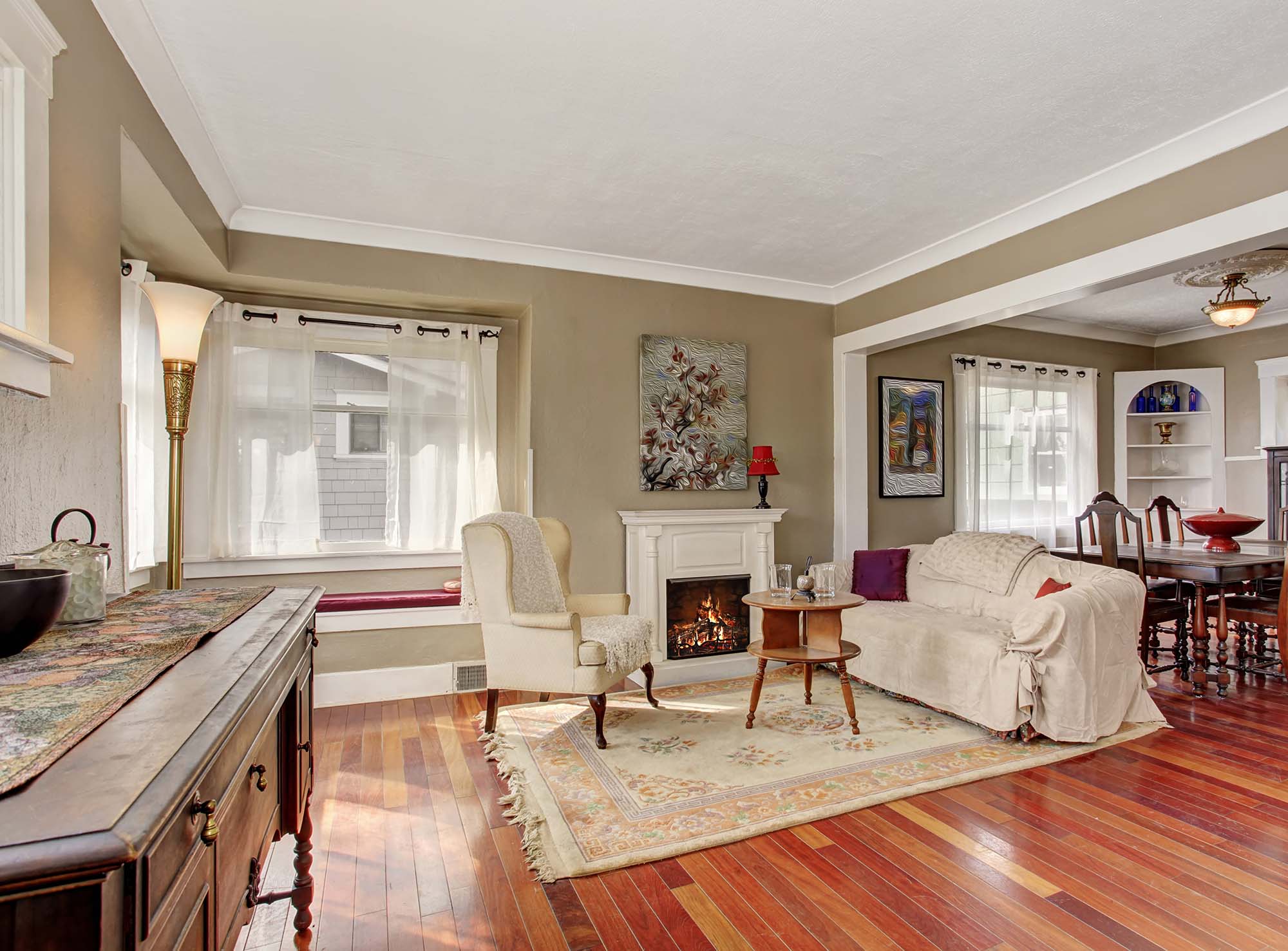
Many Cape Coral and Southwest Florida homes are not lived in year-round. Some belong to seasonal residents. Some are vacation homes. Some are rental properties that sit between stays. When a home stays closed for months, flooring has to handle a different kind of stress. It is not just foot traffic. It is humidity, limited airflow, temperature changes, and small issues that may go unnoticed longer than they should.
This is why flooring for a seasonal home should be chosen differently from flooring for a full-time household. The right floor should look good when you arrive, tolerate normal climate variation, and not demand constant attention. The wrong floor can turn a quiet off-season into cupping, odor, separation, or surface damage.
Understand What Happens When a Home Is Closed
When a house is closed for long periods, indoor conditions can shift. Air-conditioning may be set higher to save energy, rooms may receive less ventilation, and humidity can build if the system is not managing moisture well. Flooring materials respond differently to these conditions. Some expand and contract more than others. Some are more vulnerable to trapped moisture or odor.
Concrete slabs can also hold or transmit moisture. Before new flooring is installed, it is important to understand the slab condition and whether a moisture barrier or specific adhesive system is needed. This is especially important for glue-down vinyl, floating floors, engineered hardwood, and any product installed across a large continuous area.
Why Luxury Vinyl Often Makes Sense
Luxury vinyl plank is a practical choice for seasonal Florida homes because it offers strong resistance to everyday moisture, easy cleaning, and a wood-look finish without the maintenance demands of natural hardwood. It works well in living rooms, bedrooms, kitchens, and hallways where owners want one clean, connected look.
However, product quality and installation method still matter. A low-quality click floor in a home with uneven slab conditions may not perform well. A glue-down vinyl can be a strong option in some situations, but it needs proper surface prep and adhesive selection. The best choice depends on the room layout, slab condition, sunlight exposure, and how long the home sits closed.
Be Careful With Natural Hardwood in Seasonal Homes
Hardwood brings warmth and value, but it is more sensitive to environmental changes. If the home’s humidity is not controlled consistently, hardwood may expand, contract, cup, or gap. Engineered hardwood is more stable than solid hardwood, but it still needs the right conditions and installation approach.
For homeowners who love the look of hardwood but do not want the maintenance concern, premium wood-look vinyl or waterproof flooring may be the better match. For those committed to real wood, it is important to discuss species, plank width, finish, acclimation, and humidity control before installation. Wide planks and unstable indoor conditions are not a casual pairing.
Consider Sunlight and Closed Curtains
Seasonal homes often have rooms that receive intense sunlight through sliders, large windows, or lanai doors. Some owners close curtains for months, while others leave rooms exposed to natural light. Either way, sunlight can affect flooring appearance over time. Fading, heat buildup, and uneven exposure are worth discussing before selecting a product.
Low-gloss finishes and natural mid-tone wood visuals can be more forgiving than very dark or very pale floors. In bright Florida homes, a floor that looks subtle in the showroom may appear much lighter in afternoon sun. Always view samples in the actual room if possible, especially near windows and sliders.
Choose Flooring That Is Easy to Inspect and Clean
A seasonal home should be easy to reset. When the owner arrives after several months, the floor should be simple to inspect, sweep, mop, and enjoy. Hard surfaces make it easier to spot leaks, pest debris, dust, or maintenance issues. Old carpet can hide odor and moisture longer than homeowners realize.
This is one reason many seasonal homeowners replace carpet with vinyl plank or waterproof flooring. It gives bedrooms and living areas a cleaner feel while reducing the amount of hidden material that can hold musty smells. The home feels fresher on arrival, and routine cleaning becomes less complicated.
Do Not Ignore Installation Details
The best floor for a closed-up home is not just a material choice. Expansion spacing, transitions, adhesives, underlayment, door clearances, and slab flatness all influence long-term performance. Seasonal homes need floors that can sit undisturbed without small installation issues turning into larger problems.
This is where working with a local flooring team matters. Florida homes face specific moisture, heat, slab, and sunlight conditions. A flooring product that performs well elsewhere may still need a different installation plan in Cape Coral, Fort Myers, Sanibel, or Naples.
Homes that sit closed for months need flooring that handles humidity, limited airflow, sunlight, and easy maintenance. Luxury vinyl plank and waterproof flooring are often practical choices, while engineered hardwood may work when the home has stable indoor conditions and the right installation plan.
For help choosing flooring for a seasonal home, rental property, or snowbird residence, visit Cape Coral, FL. Abbey Carpet & Floor at Patricia’s serves Cape Coral, FL, Fort Myers, FL, Iona, FL, North Fort Myers, FL, Sanibel, FL, Bonita Springs, FL, Estero, FL, Naples, FL, Punta Gorda, FL, and Fort Myers Beach, FL with vinyl flooring, hardwood flooring, waterproof flooring, and installation guidance built around Southwest Florida living. Contact us today to choose floors that are easier to live with when you are home and easier to trust when you are away.


