


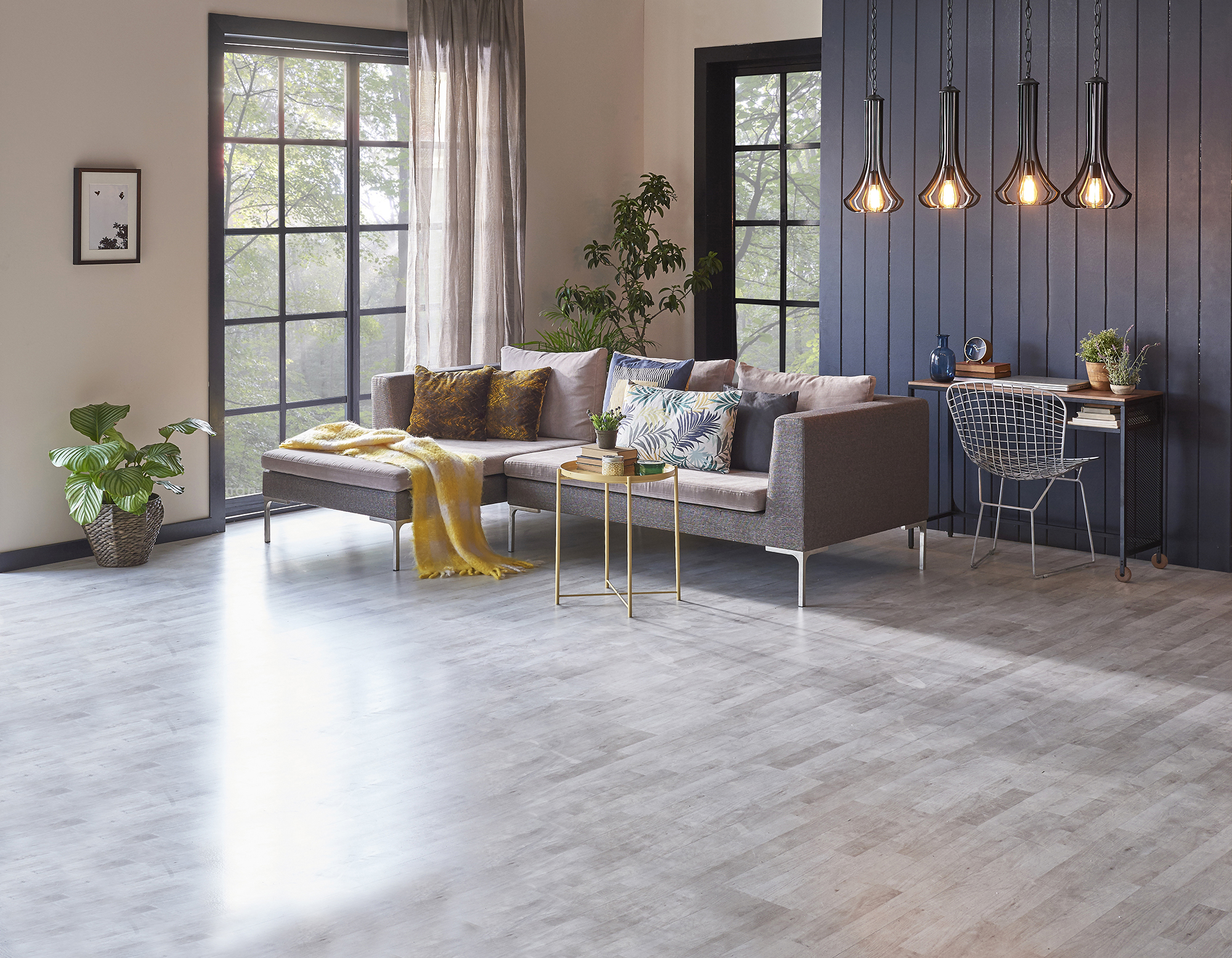
Homeowners at Abbey Carpet & Floor at Patricia’s sometimes notice small dents where a couch leg, a dining chair, or a heavy dresser has sat for a while. This is one of the most common questions we hear about vinyl flooring, and understanding why it happens makes it much easier to prevent going forward.
Dents in vinyl come down to physics more than product quality. A little insight into how weight and pressure interact with the flooring surface goes a long way toward keeping your floor looking its best for years.
It Comes Down to Pressure, Not Just Weight
The key factor behind denting is not how heavy an object is overall, but how much weight is concentrated on a small surface area. A 200 pound sofa resting on four wide, padded feet spreads that weight out and rarely leaves a mark. That same sofa resting on four thin metal legs concentrates all of that weight into a few tiny points of contact, and that concentrated pressure is what compresses the vinyl over time.
This is why dining chairs, pianos, and furniture with narrow or pointed feet are the most common culprits. It is also why the same piece of furniture might leave a mark on one type of vinyl but not another, since wear layer thickness and core construction both affect how well a product resists this kind of pressure.
Wear Layer Thickness Makes a Real Difference
Vinyl flooring comes with different wear layer thicknesses, and this layer plays a direct role in dent resistance. A thicker wear layer generally holds up better against concentrated pressure from furniture legs, appliance feet, and rolling office chairs.
This does not mean a thinner wear layer is a poor choice for every home. It simply means the right product depends on how a room will actually be used. A guest bedroom with light furniture traffic has very different needs than a home office with a rolling chair in daily use, and matching the product to the room is part of getting a floor that holds up the way you expect.
Simple Habits That Prevent Dents
A few small habits make a noticeable difference in protecting vinyl flooring from dents. Furniture pads placed under legs and feet spread out weight across a wider surface, which is the single most effective step most homeowners can take.
Rotating rugs and furniture placement occasionally also helps, since it prevents the same small points from bearing weight in the same spot for years at a time. For rolling chairs, a chair mat designed for hard flooring reduces concentrated pressure from wheels rolling back and forth across the same path every day.
What to Do If a Dent Already Happened
Light dents from furniture often soften on their own once the weight is removed and the vinyl has time to relax, especially in warmer indoor temperatures. This process can take anywhere from a few days to a couple of weeks depending on how long the pressure was applied.
For dents that do not bounce back, a professional assessment can determine whether the affected plank can be addressed on its own or whether a small section needs replacement. Either way, catching it early and asking questions before assuming the worst usually leads to a much simpler fix than expected.
Talk to Abbey Carpet & Floor at Patricia's
Every home has different furniture and different needs, and choosing the right vinyl product for the way you actually live in a space is the best way to avoid this issue altogether. Some rooms may even be better suited to a different flooring type entirely depending on furniture weight and daily use, and the team at Abbey Carpet & Floor at Patricia’s can walk you through what fits your space best.
We proudly serve homeowners throughout Cape Coral, FL, Fort Myers, FL, Iona, FL, North Fort Myers, FL, Sanibel, FL, Bonita Springs, FL, Estero, FL, Naples, FL, Punta Gorda, FL, and Fort Myers Beach, FL. Visit one of Cape Coral, FL to compare luxury vinyl flooring wear layer options in person, or contact us to talk through the best fit for your home.


