


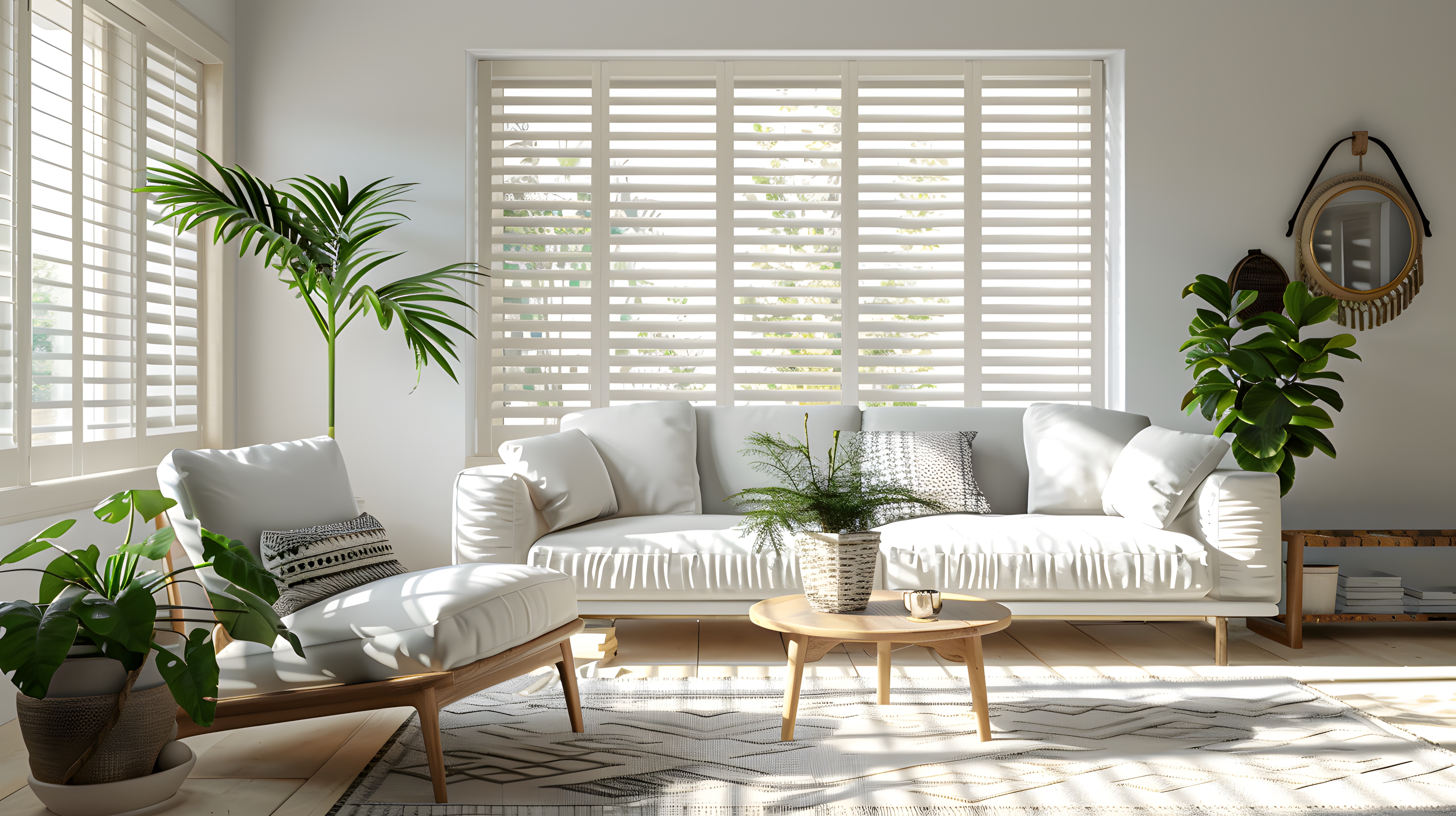
If you walk into any Cape Coral, FL of Abbey Carpet & Floor at Patricia’s and quietly whisper the phrase “hardwood floors in Florida,” at least three people will turn around with a half-concerned, half-disbelieving look — like you just announced you’re installing wool carpets in your swimming pool. For decades, homeowners were told hardwood “doesn’t work” in coastal climates like Cape Coral, Naples, or Fort Myers. But that advice is about 30 years old, and modern flooring technology has completely changed the game.
The truth? Hardwood can work beautifully in Florida — and many high-end homes in Naples, Estero, Sanibel, and Cape Coral prove it every day. You just have to choose the right type, understand how climate affects wood movement, and ensure proper installation. That’s it. The myth is louder than the reality.
Why People Still Think Hardwood Is “Dead” in Humid Climates
The reputation comes from one culprit: solid hardwood installed on concrete slabs without moisture mitigation. Older Florida homes often used traditional ¾-inch solid boards directly over slab foundations. Combine that with humidity averages ranging from 65% to 90%, and you get cupping, gapping, crowning, and warping — fast.
That era created a belief that all hardwood is a bad fit for Florida… but flooring has evolved far past those limitations.
Engineered Hardwood
Modern engineered hardwood is a completely different product from the old days. Instead of a single plank of wood, engineered hardwood is built like a high-performance sandwich:
• A real hardwood wear layer on top — the same beauty and authenticity as solid wood
• Stabilized plywood or multi-layer cores arranged in alternating directions
• Moisture-resistant construction that drastically reduces expansion and contraction
This cross-layered structure is the superhero of the story. It allows engineered hardwood to:
• Resist cupping in humid coastal conditions
• Stay stable over concrete slabs
• Perform better with temperature swings from AC to outdoor heat
• Offer the same authentic hardwood feel and durability
Engineered hardwood isn’t just “good enough” for Florida — it’s actually one of the best flooring materials for our climate when homeowners want luxury.
The Look & Feel Luxury Vinyl Still Can’t Fully Replicate
Luxury vinyl plank (LVP) is practical, tough, stylish, and waterproof — no argument there. But hardwood has something vinyl doesn’t: soul.
Real wood has depth, warmth, and natural variation that shifts beautifully as sunlight moves through the room. It ages with character. It gains personality. It patinas. It smells like nature, not manufacturing.
Homebuyers in Naples, Estero, Punta Gorda, and Sanibel consistently associate hardwood with premium value. Realtors will tell you: hardwood still sells homes faster and at higher prices than vinyl — even in Florida.
The Importance of Moisture-Resistant Finishes
Earlier generations of hardwood were vulnerable because their finishes weren’t designed for Florida’s moisture-rich air. Today’s premium engineered hardwood uses:
• UV-cured finishes
• Moisture-resistant sealants
• Multi-layer protective coatings
These finishes slow moisture penetration and dramatically reduce day-to-day wear from coastal living, kids, and pets.
Moisture Barriers
Florida slabs naturally release moisture. A proper installation requires:
• Moisture testing of the concrete
• Professional moisture mitigation
• A high-quality vapor barrier underlayment
This prevents vapor from creeping up into the planks. Skip this step, and yes, hardwood fails quickly. Follow protocol, and hardwood thrives even in humidity-heavy areas like Cape Coral or Fort Myers Beach.
Acclimation
Wood — even engineered wood — must acclimate to your home. That means letting the flooring sit inside the home for days before installation so it adjusts to Florida humidity and temperature.
Professional installers know this timing varies by brand, construction, and time of year. Proper acclimation = a lifetime of stability.
Where Hardwood Works Best in Southwest Florida Homes
Hardwood is excellent for rooms without consistent water exposure:
• Primary bedrooms
• Living rooms
• Dining areas
• Office spaces
• Hallways
• Formal sitting rooms
Homeowners love it in upstairs spaces as well due to comfort and warmth.
For areas like kitchens, bathrooms, and laundry rooms, waterproof vinyl or tile still wins — not because hardwood fails, but because spills and standing water are daily risks.
The Rise of “Hybrid Homes” With Mixed Flooring
A major 2026 Florida trend is using engineered hardwood in the main living areas and pairing it with waterproof vinyl in wet zones. This creates a high-end, cohesive look while balancing practicality and luxury.
Hardwood Care in Florida Is Easier Than Ever
You don’t need elaborate rituals to maintain hardwood here. Today’s floors simply require:
• Consistent indoor humidity via AC
• Routine sweeping
• Felt pads under furniture
• Avoiding standing water
Most high-end engineered hardwood comes with finishes that make cleaning easier than homeowners expect.
Hardwood Isn’t Dead — It’s Just Misunderstood
Hardwood is alive and thriving in Florida’s luxury design world. Modern engineered hardwood is stable, climate-ready, and visually stunning. The idea that Florida homes can’t have real wood floors is officially outdated.
If you want the beauty and prestige of hardwood without the stress, it’s entirely possible… as long as you choose the right product and the right installers.
Visit or call Abbey Carpet & Floor at Patricia’s to explore climate-ready engineered hardwood designed for coastal living. Our flooring experts guide you from selection to installation so you get hardwood that truly lasts. Proudly serving Cape Coral, FL, Fort Myers, FL, Iona, FL, North Fort Myers, FL, Sanibel, FL, Bonita Springs, FL, Estero, FL, Naples, FL, Punta Gorda, FL, and Fort Myers Beach, FL.


