


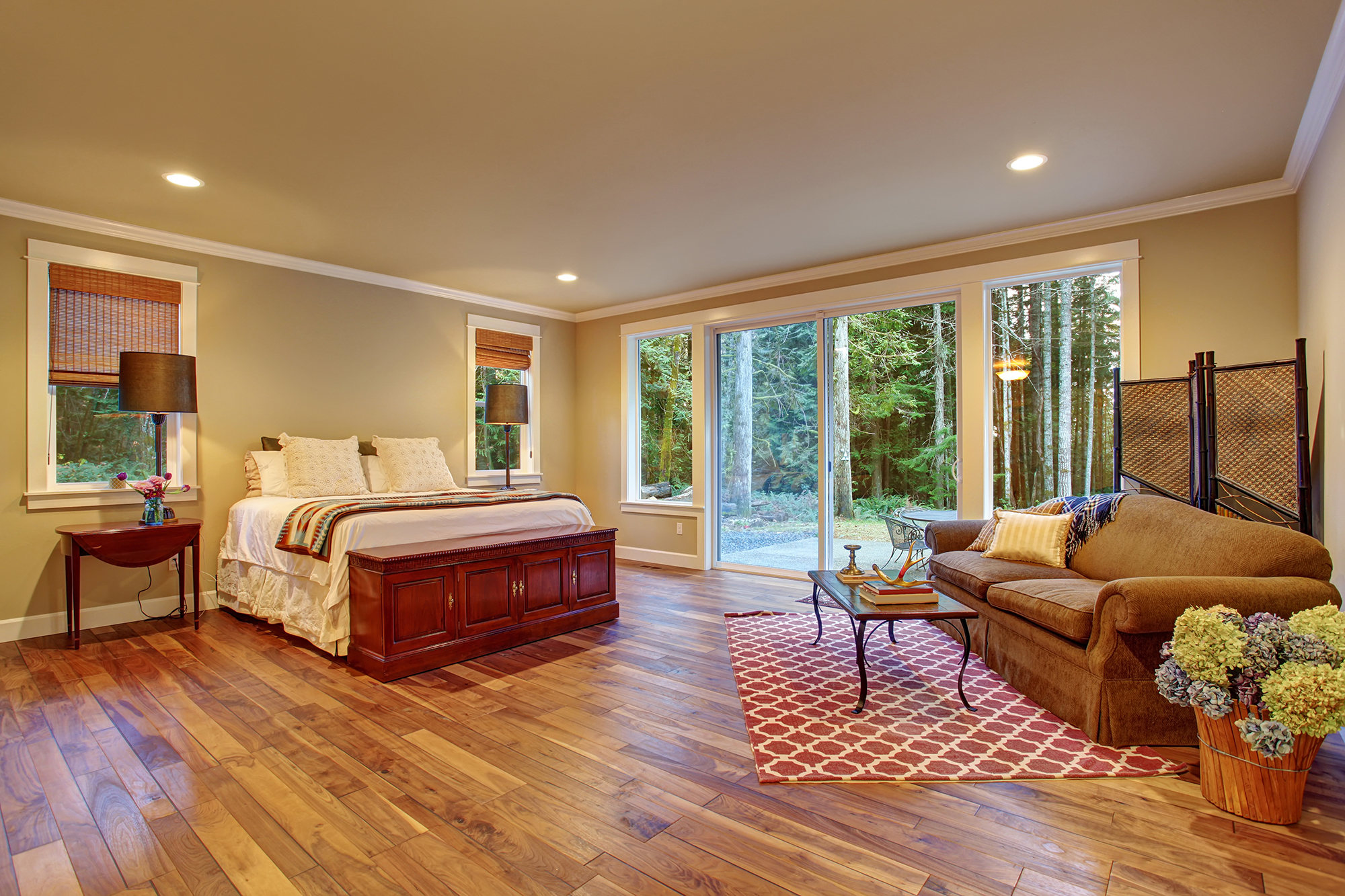
A floor can look perfect in the store and completely different once installed. Homeowners often describe the result the same way. It looks pink now. It turned yellow. Why does it have a green cast. In most cases, the flooring did not change. The surrounding environment changed how the eye reads the undertone.
This happens frequently in Florida homes because light is stronger, warmer, and more reflective than in many other regions. In Cape Coral, Fort Myers, Naples, Estero, Bonita Springs, and nearby coastal communities, strong daylight, pale interiors, and open floor plans amplify undertone issues quickly.
What undertone really means in flooring
Every floor color has a base undertone under the surface color you notice first. A beige floor may lean pink, gold, gray, green, or orange. A light oak visual may seem neutral until it sits next to white cabinets, creamy walls, or cool gray paint. Then the hidden undertone becomes obvious.
This is why neutral is often misleading. Most flooring products are not truly neutral. They are balanced toward a warm, cool, or muted family that only reveals itself fully in context.
Why floors suddenly read pink
Pink usually appears when a floor has a red or rosy undertone and is paired with finishes that make that undertone more visible. Creamy whites, taupe walls, and some warm LEDs can all pull pink to the surface. Certain oak visuals and some beige vinyl patterns do this more than homeowners expect.
Pink can also show up when a floor intended to feel warm is placed in a room with strong natural light and low contrast. The warmth does not disappear. It simply reads rosier than it did under showroom lighting.
Why floors turn yellow
Yellow is one of the most common complaints because warm light intensifies it. South- and west-facing rooms in Southwest Florida can push a beige or tan floor much warmer by afternoon. Cabinet finishes, wall paint, and even reflected color from nearby furniture can contribute.
Some hardwood species and some vinyl wood visuals already carry a golden base. In a controlled palette, that can feel inviting. In the wrong room, it can look dated or overripe. This is especially true when paired with bright white finishes that make warm tones stand out more sharply.
Why green undertones show up
Green is often the most confusing. It usually appears in floors marketed as greige, taupe, or driftwood tones. These products often contain a muted green-gray base to control redness. When placed near creamy paint, yellow lighting, or warm cabinetry, that green bias becomes more visible.
Green can also emerge when multiple almost-neutral finishes are layered together. The eye starts comparing them, and the coolest or murkiest undertone becomes more obvious.
Why Southwest Florida homes make undertone problems worse
Florida homes have conditions that intensify color shifts.
Large windows increase daylight exposure. White walls and cabinets reflect that light back into the room. Glossy surfaces add more bounce. Open plans connect multiple finishes visually, so a floor must work not just in one room but across the whole line of sight. Add warm evening lighting and strong daytime sun, and the same plank can read different ways across a single day.
That is why sample-board decisions fail so often. A small sample under store lighting is not enough to predict undertone behavior in a real home.
How to avoid undertone clashes before you buy
First, compare flooring samples directly against your cabinet color, wall paint, countertop, and trim. The floor should be judged with all major finishes in view.
Second, place the sample flat on the floor, not upright against a display. Flooring is meant to be seen horizontally, and light hits it differently in that position.
Third, review the sample at different times of day. Morning light, afternoon sun, and evening LED lighting can all shift perception.
Fourth, avoid choosing by trend label alone. Terms like coastal, natural, blonde, greige, or modern do not tell you enough about undertone. You need to see whether the product leans warm gold, muted pink-beige, green-gray, or balanced taupe in your actual environment.
What works best for most Florida homes
In many Southwest Florida interiors, the most dependable flooring colors are controlled warm neutrals with soft oak influence and low sheen. These tend to stay more stable visually across changing light conditions. Overly gray and heavily yellow products tend to be less forgiving.
Higher-quality vinyl and engineered hardwood often offer better color balance and more realistic visual layering, which helps the floor look intentional rather than artificial.
If your floor looks pink, yellow, or green, the issue is usually not random. It is the result of undertone interaction with light, cabinets, paint, and surrounding finishes. Once that is understood, choosing the right floor becomes much more precise and much less frustrating.
Visit the Carpet & Flooring Cape Coral showroom in Cape Coral to compare flooring samples in person and evaluate undertones before you buy. We proudly serve Cape Coral, Fort Myers, Iona, North Fort Myers, Sanibel, Bonita Springs, Estero, Naples, Punta Gorda, and Fort Myers Beach. For professional help selecting a floor that works in your lighting and with your finishes, contact us today.


